Target layerL1 · EpidermisEpidermis
- Duration
- 10-30 minutes
- Recommended sessions
- Sessions at 2-4 week intervals
- Downtime
- Toning: immediate return; spot and tattoo removal: small scabs for a few days
Dr. Kim Tae-hoon, Medical Director · Reviewed by our medical director
Board-certified dermatologist · review date to be posted
Melasma is not a lesion to erase in one go but one to lighten and manage over time — excessive energy can actually make it worse.
01Overview
PicoWay / PicoWay Resolve A picosecond laser that shatters pigment into fine particles
PicoWay is a pigment laser that uses ultra-short picosecond pulses — trillionths of a second — to shatter pigment into fine particles.
- Duration
- 10-30 minutes
- Recommended sessions
- Sessions at 2-4 week intervals
- Downtime
- Toning: immediate return; spot and tattoo removal: small scabs for a few days
- How long it lasts
- Builds over a course of sessions — maintenance needed
03Device & Technology
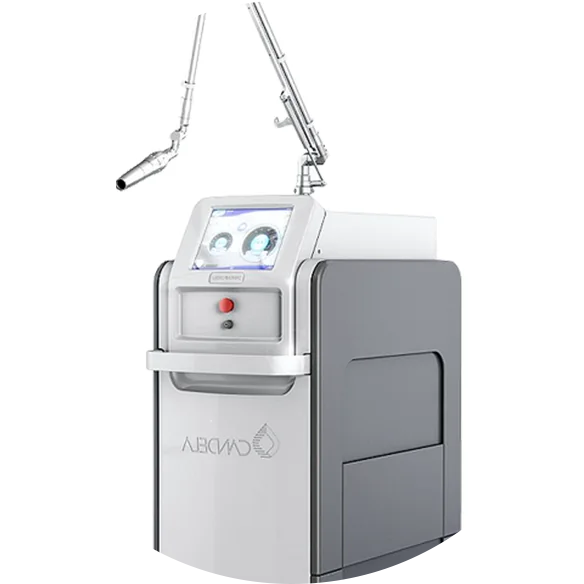
PicoWay Device
Candela (USA) · FDA cleared · MFDS (Korean FDA) approved
05Before / After
Before & After
PicoWay sun spot removal progress
Melasma toning progress over sessions
Clinical photos. Results vary with skin condition, age and treatment plan. Before-and-after photos are published with the patient's written consent, taken under identical conditions (lighting, angle) and never retouched. Results vary by individual.
07FAQ
Frequently asked questions
How does PicoWay reduce pigment?
PicoWay is a laser that breaks pigment particles into fine fragments using ultra-short pulses measured in picoseconds (1 trillionth of a second). Its key feature is that it uses a shockwave of light (photoacoustic effect) rather than burning with heat, reducing stress on the surrounding skin. The shattered pigment fades gradually over a course of sessions, so it does not disappear all at once.
Which skin concerns is PicoWay used for?
It is mainly used for pigmented lesions such as melasma, sun spots, and freckles, and for removing tattoos and eyebrow tattoos. With the Resolve handpiece, it is also used for pores, fine scars, and skin texture. A single face often has several types of pigment mixed together, so a board-certified dermatologist first identifies the type and depth of each lesion before treatment.
How many melasma toning sessions do I need?
Treatment typically involves 5-10 or more sessions at 2-4 week intervals, gradually lightening the tone. Melasma is not a lesion to erase in one go but one to lighten and manage over time, so we adjust the interval and energy based on your response at each session. The number of sessions needed varies by individual depending on the lesion and skin condition.
Can it remove tattoos or eyebrow tattoos?
Yes, picosecond lasers are used to remove tattoos and eyebrow tattoos. However, several sessions are needed depending on the color and depth of the ink, and some colors may show a limited response. We advise you on the number of sessions needed after examining the tattoo at consultation.
What is Resolve?
Resolve is a fractional handpiece attached to PicoWay. It creates micro-regenerative zones (LIOB) within the skin and is used to improve pores, fine scars, and skin texture. Whether to plan it alongside pigment treatment is decided after consultation based on your skin condition.
How long does it take, and does it hurt much?
The treatment itself takes about 10-30 minutes depending on the area and extent. Pain is low to moderate, closer to the snap of a rubber band. If you are sensitive to pain, topical numbing cream can be applied as needed before treatment.
Can I return to daily life right away? Will scabs form?
With toning, most people can return to daily life right after treatment. Spot lesions such as moles, or tattooed areas, may form scabs that remain for several days. Letting scabs fall off naturally rather than picking them is important for preventing pigmentation.
When do results appear?
PicoWay is a treatment where change appears as sessions accumulate. For a few days after treatment, lesions may temporarily look darker, which is part of the recovery process. After that, tone and lesions gradually fade over sessions at 2-4 week intervals, though the pace varies widely between individuals.
When is StarWalker used instead?
The choice depends on the depth and thickness of the lesion. PicoWay is mainly used to lighten widespread pigment over a course of sessions or to break up tattoo ink, while StarWalker is often used for deep, dense pigment such as nevus of Ota. When several types of pigment coexist, the two devices are sometimes combined, and the choice follows the consultation findings.
Are there side effects? Are there cases where treatment should be postponed?
Temporary redness may occur after treatment, and pigmentation may rarely appear. In particular, excessive energy on melasma can actually make it worse, so we adjust the intensity to your skin condition. Be sure to tell us at your visit if you have recently had strong sun exposure or tanning, are taking photosensitizing medication, are pregnant, or have a wound or infection in the treatment area.
How should I protect my skin from the sun after treatment?
Sun protection has a major effect on treatment results, so it must be done carefully every day. Apply sunscreen of SPF30 or higher daily, and reapply every 2 hours when outdoors. On the day of treatment, do not rub your skin; wash gently and moisturize well.
How much does PicoWay cost? How do I book?
The cost depends on the lesion type, extent, and number of sessions, so it is confirmed after consultation. General reference prices can be found on the price list on our website. Booking and consultations are available via Naver Booking, our KakaoTalk channel, or phone (+82-51-710-1891), and consultations are also available via LINE.
Fees
Pricing depends on lesion type, extent, and number of sessions, and is confirmed after consultation.
See the fee schedule →References 5
- Approval: PicoWay · FDA cleared · MFDS (Korean FDA) approved
- Manufacturer: Candela (USA)
- Korea MFDS medical device registry — searchable by approval number
- Korean Dermatological Association — specialist credential lookup
- Reviewed by: Dr. Kim Tae-hoon, Medical Director
Summary & comparison
| Treatment | Target layer | Main change | Duration | How long it lasts | Downtime |
|---|---|---|---|---|---|
| PicoWay / PicoWay Resolve ← | L1 Epidermis | A picosecond laser that shatters pigment into fine particles | 10-30 minutes | Builds over a course of sessions — maintenance needed | Toning: immediate return; spot and tattoo removal: small scabs for a few days |
| StarWalker MaQX | L1 Epidermis | A high-power laser platform for hard-to-treat pigment | 10-30 minutes | Builds over sessions — varies by lesion | Scabbing and redness for a few days when treating lesions |
| GentleMax Pro | L1 Epidermis | Dual wavelengths, wide range: hair removal, toning, and redness | 10-40 minutes depending on area | Hair removal: long-lasting after completing the course (individual results vary) | Immediate return to daily life |
| Spot Clear | — | Combination treatment that diagnoses pigmented lesions and assigns a laser to each | Advised after consultation, depending on the number of lesions and coverage | Varies by lesion — recurrence or new lesions possible | Scabs and erythema at lesion sites for a few days to 1 week (varies by device and lesion) |
Treatments used for the same concern, placed side by side. Which one fits is decided in consultation after the layer is identified.
Reviewed byDr. Kim Tae-hoon, Medical Director · Board-certified dermatologist · review date to be posted
Related treatments
Next step
Wondering if this treatment fits you?
Leave your main concern and request a consultation. Suitability, schedule and fees are confirmed after review.